


Lifestyle
 Learn more Cancer Risks
Smart Talk Tuesday, March 24, 2015
One in twenty people will develop colon cancer at some point in their lives. Unfortunately, colon cancer has the second-highest cancer death rate in Pennsylvania. The good news is that there are preventative measures that can be taken to reduce the risk.
Family history makes a difference but so do diet, physical activity, and smoking and alcohol use.
Many people may feel nervous about having invasive preventative tests, but with the right lifestyle habits and regular screenings, colon cancer is one of the most preventable types of cancer.
March is Colorectal Cancer Awareness Month and doctors all over our local region are encouraging their patients to get screened for colon cancer.
On this episode of Smart Talk, physicians Dr. Ray Hohl, director of Penn State Hershey Cancer Institute, and Dr. Walter Koltun, chief of the Division of Colon and Rectal Surgery at Penn State Hershey Medical Center, will discuss the causes, risk factors, symptoms, treatments and what we're learning about colon cancer.

Dr. Walter Koltun and Dr. Ray Holh
(Harrisburg) -- A new report from the American Cancer Society finds Pennsylvania is like most states in that it falls short when it comes to fighting the causes of cancer.
(York) -- The American Cancer Society hopes to enroll hundreds of people in the midstate in its Cancer Prevention Study-3. The study aims to gather health and lifestyle information to help advance ACS research.
Angelina Jolie’s revelation that she had both breasts removed to prevent breast cancer is focusing attention on genetic testing and the choices patients face when they get the result. What does the news mean for you?

(Harrisburg) -- Some midstate teens may use indoor tanning facilities to get ready for the prom and graduation seasons.
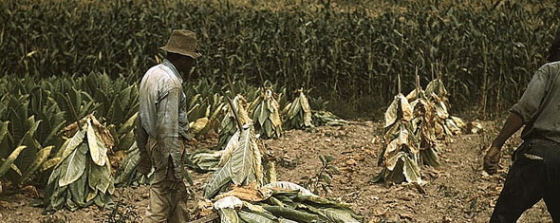
Tobacco has been a cash crop since the time of exploration of the Americas, to the establishment of the colonies and on through our time of independence. Pennsylvania has a strong heritage in agriculture. And, if you drive through Lancaster County today you’ll see lots of fields where tobacco is growing.

Cancer is the epidemic of modern times. Unlike other diseases that have plagued people throughout history like tuberculosis and polio, we haven’t yet discovered a vaccine against it. One of the most common manifestations of this disease is breast cancer, which affects not only one in eight women, but also thousands of men in the United States.

Dr. Shou Ling Leong, an educator at Penn State Hershey College of Medicine, explains that smoking cigarettes in the past was something that only men did, not women and children. But clever advertising campaigns targeted to women and children changed that.
(Harrisburg) -- The fountain behind the State Capitol is roaring with pink-colored water this month in an effort to raise breast cancer awareness.

October is National Breast Cancer Awareness Month. One doesn't have to look far to see a pink ribbon, buildings cast in pink light or fountains flowing with pink water. The color pink is associated with the cause so much during the month that everyone knows exactly what it signifies.





Sponsored by
 |
 |
 |
 |
|
|
|
|
|
|
|
|